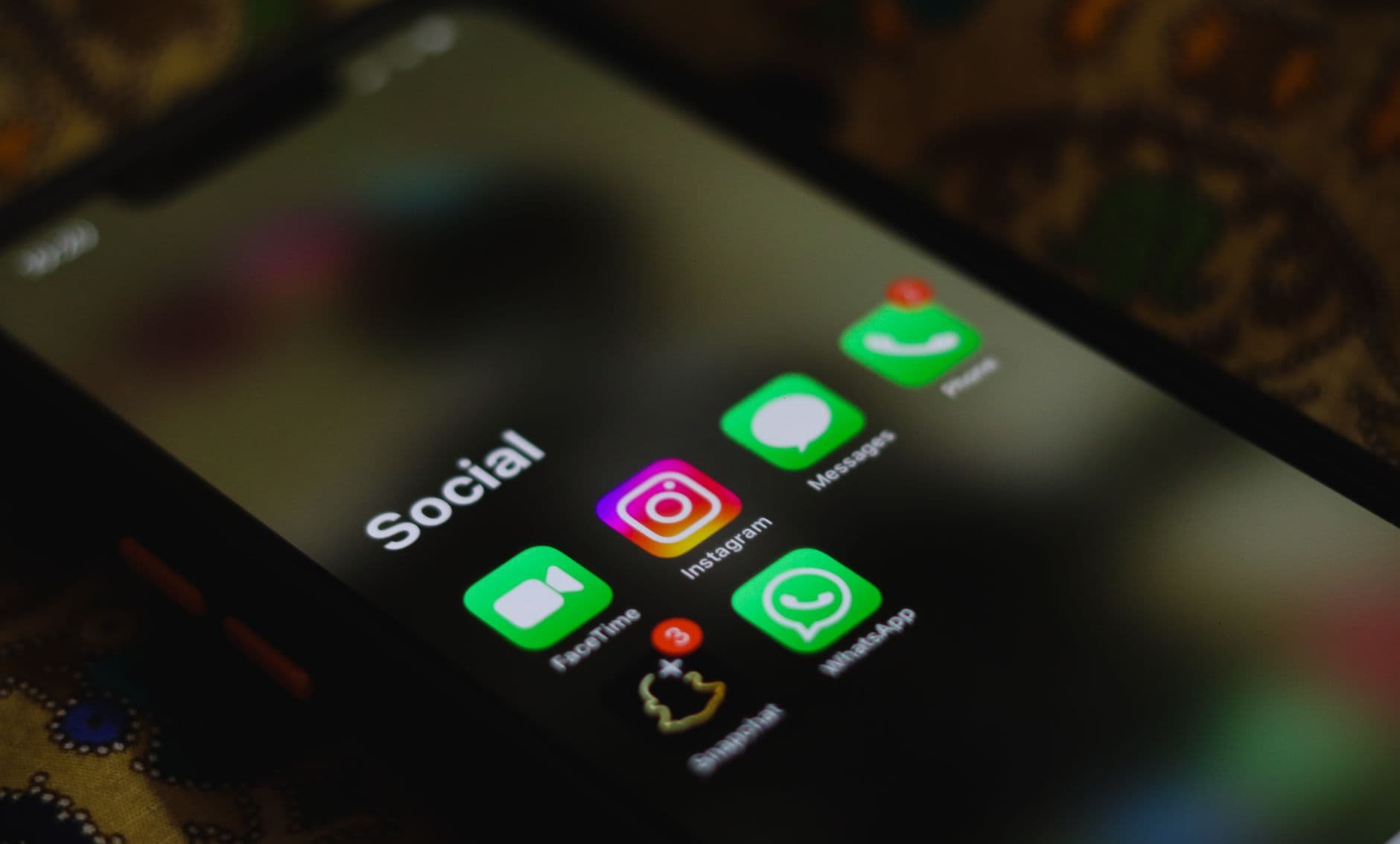
Instagram and Snapchat are two of the most popular apps among young people, and both carry risks that are easy to overlook. Instagram revolves around images, followers, and direct messages, while Snapchat is built around disappearing photos, videos, and a location-sharing map. Each can be a source of joy and connection, but each also creates openings for predators, bullying, and content that vanishes before a parent ever sees it. This guide explains the specific risks of both apps, what monitoring can show you, how to tighten privacy settings, and how to use oversight lawfully and with care.
The specific risks of Instagram
Instagram's visual, public-facing design brings a distinct set of concerns for younger users.
- Direct messages from strangers. Unless an account is private and message settings are locked down, adults and unknown users can reach a child through DMs.
- Comparison and self-esteem. A constant stream of filtered, idealized posts can leave children feeling their lives fall short, affecting mood and body image.
- Public exposure. Photos, stories, and location tags can reveal more than a child intends, from their school to their daily routine.
- Bullying in comments and group chats. Public pile-ons and private group harassment both occur here.
The specific risks of Snapchat
Snapchat's design choices create different challenges, many of them tied to the idea that content disappears.
- Disappearing messages. Snaps are built to vanish, which can encourage children to send things they otherwise would not, and can hide bullying or grooming from parents.
- The Snap Map. Location sharing can broadcast a child's exact whereabouts to contacts, a serious safety risk if their friend list includes people they do not truly know.
- Contact from strangers. Features that suggest friends or allow username-based contact can connect children with people outside their real-life circle.
- False sense of security. Because content seems temporary, children may forget that snaps can be screenshotted or recorded.
For a wider view of how these platforms fit into the online-safety picture, our guide on social media dangers for kids is a useful companion.
The problem of disappearing content
The defining feature of Snapchat, and increasingly of Instagram through disappearing stories and vanish-mode messages, is content that self-deletes. This is precisely what makes both apps harder to supervise than a traditional inbox. The most sensitive exchanges, including those involving predators, are often the ones designed to disappear.
Monitoring that captures activity on the device as it happens can preserve a record before content vanishes, giving parents the visibility they would otherwise lose. It also underscores why conversations about online safety matter so much. If someone is pushing your child toward disappearing messages, that is itself a signal worth understanding. Our guide on online predator warning signs explains how disappearing content is sometimes exploited by adults with harmful intent.
What monitoring shows you
With a parental monitoring solution installed on a device you own and manage, the kinds of Instagram and Snapchat activity a parent can typically review include:
- Messages and conversations in direct chats, subject to platform and device limits.
- Contacts your child is talking to, helping you spot unknown or adult accounts.
- Timestamps and activity patterns, including late-night use.
- Keyword alerts that flag concerning language tied to bullying, self-harm, sexual content, or requests for secrecy.
- Location signals through GPS and geofencing, which complement Snapchat's own map by letting you know where the device actually is.
Everything is gathered into one online dashboard. You can see the full feature set on our features page and understand the setup on our how it works page.
How it works on Android and iPhone
Coverage depends on the device, because the two operating systems allow very different levels of access. Android is more open, which generally allows deeper monitoring of social apps and stealth operation. Apple's iOS is more restrictive by design, so monitoring uses the tools Apple provides and works without jailbreaking, keeping the device secure. What is available for Instagram and Snapchat specifically can differ between the two, so it is worth checking before you commit. Review the details on our Android parental control and iPhone parental control pages, and see the broader approach on our phone monitoring overview.
Privacy-setting tips that reduce risk
Monitoring works best alongside good privacy settings, not instead of them. Walk through these with your child so they learn the skills themselves.
On Instagram
- Set the account to private so only approved followers see posts and stories.
- Limit who can send direct messages and who can tag or mention your child.
- Turn off location tagging on posts and stories.
- Use the built-in supervision tools that let parents see time spent and account activity.
On Snapchat
- Enable Ghost Mode so your child's location is not shared on the Snap Map.
- Restrict who can contact your child and who can view their story to friends only.
- Review the friend list together and remove anyone your child does not know in real life.
- Talk openly about the fact that snaps can be captured and are never truly gone.
Using monitoring lawfully and with care
Monitoring should always stay within the law and be guided by your child's wellbeing. In most places, a parent or legal guardian may monitor a device they own that is used by their own minor child. Monitoring other adults, partners, or employees raises consent and legal issues that differ by region, so use these tools only where lawful and appropriate for your situation. Because rules vary, review what applies where you live, and reach out through our contact page or read our FAQ if you are unsure.
Just as important is the spirit in which you monitor. Focus on safety rather than control, favor keyword alerts over reading every message, and consider being open with older children about the fact that oversight exists. Children who trust their parents are more likely to come forward when something goes wrong, which is the outcome every safeguard is really aiming for.
Instagram and Snapchat can be positive, creative spaces when the risks are managed. A combination of strong privacy settings, honest conversation, and sensible visibility gives your child room to enjoy them safely. To see how TruSpyX™ supports social media monitoring across devices, visit our features page, or create your account to begin.